
Seed Grant Project · Digital Storytelling Map
Medicinal Animals and Digital Storytelling Map: The Story of the Saiga Antelope, Rhinoceros, and Shark
Saiga antelope, rhinoceros and shark: mapping how three endangered animals became medicine and food across twentieth-century Asia.
- 01 Saiga antelope
- 02 Rhinoceros
- 03 Shark
Background
Three animals, one question
A saiga antelope on the Central Asian steppe, a rhinoceros in Africa or Asia, a shark in almost any ocean: three very different animals whose parts entered the same market. The project follows them because together they show how a species becomes a commodity — and what that transformation costs.
Medicine, food and trade
In Chinese Asia, animal parts have long been used both as medicine and as food. By the twentieth century those uses operated at industrial scale, feeding markets across East and Southeast Asia, and the trade rarely stayed where the animals live: it moved through ports, wholesalers and retail counters, changing as regulation, supply and demand changed.
Why a map, and not a list
A list of species cannot show that movement. A map can: where a product is collected, where it is processed, where it is sold, and how those routes shift between the early twentieth century and today. Making that pattern visible is what the project's digital map is built to do.
The research behind it
The project grows out of the archival work behind Mao's Bestiary: Medicinal Animals and Modern China (2021) and the second book project that follows it, and draws on primary material from libraries and archives in Singapore, Hong Kong, Taiwan, Japan and mainland China. It also carries a conservation question: what these histories mean for keeping the three species alive now.
The project
The study
Where it begins
Prof. Liz Pui Yee CHEE’s work on these three animals builds on her first book, Mao’s Bestiary: Medicinal Animals and Modern China (Duke University Press, 2021). It highlights a neglected side of modern China’s scholarship: the role medicinal animals played in trade and export, as “economic resources” aimed at overseas markets — above all Hong Kong and Taiwan, and Singapore and Malaysia, where Chinese migrants were predominant.
The map
What the project builds
A comprehensive digital map that traces how animals were given new meanings as medicine and food over the twentieth and early twenty-first centuries, across the countries of East and Southeast Asia — told through three species.
The intent
What it is for
- Look for insights in the map visualisation that may help answer outstanding research questions.
- Make the digital map a place to reflect on the long, changing exploitation of these species — and on the challenge of conserving them now.
The sources
Where the material comes from
Primary materials sourced from libraries and archives in Singapore, Hong Kong, Taiwan, Japan and China, alongside the book’s research and the articles written from it.
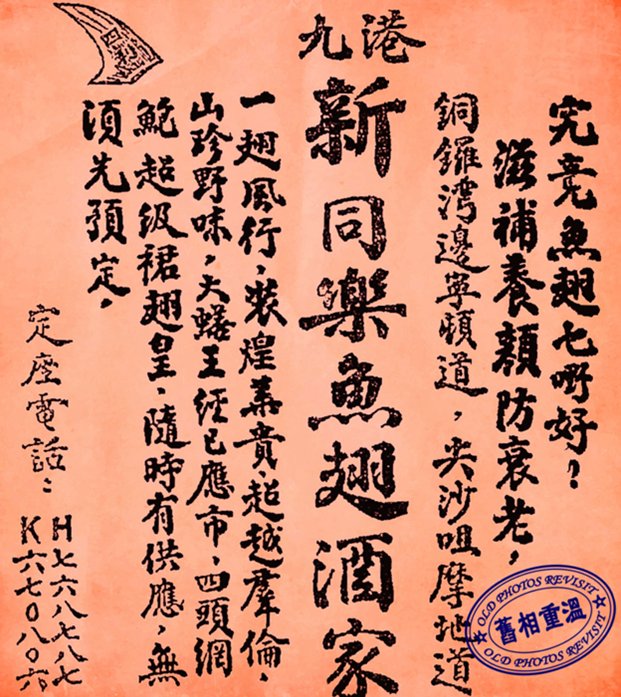
Animals became “economic resources”, catering to overseas markets — above all in Hong Kong, Taiwan, Singapore and Malaysia.
After Mao’s Bestiary: Medicinal Animals and Modern China (Duke University Press, 2021)
Scope of the map
- Hong Kong
- Taiwan
- Singapore
- Malaysia
- Japan
- Chinese mainland
The team
Principal Investigator
- Prof. Liz Pui Yee CHEE — Division of Humanities
Research Assistant
- Leyao WANG — MPhil, Humanities
Project support
- Dr. Steve MA — Division of Humanities
- Yifan WANG — Library
Publications & sources
- Chee, Liz Pui Yee. Mao’s Bestiary: Medicinal Animals and Modern China. Durham: Duke University Press, 2021.
- Drinking Antelopes: Animals as Medicine and Food in Chinese Asia (second book project, title tentative).
- Archives and libraries: Singapore · Hong Kong · Taiwan · Japan · Chinese mainland.
- All photographs on this page are provided by Prof. Liz Pui Yee Chee.